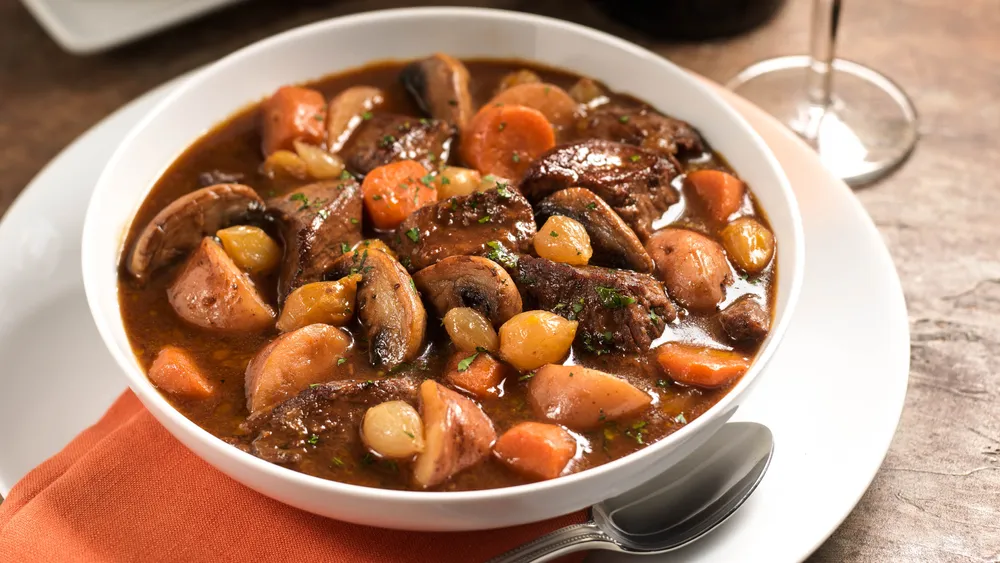
Why Carbonnade A La Flamande Is Your Winter Comfort Food
As the days grow shorter and the mercury drops, there's an undeniable craving for dishes that warm us from the inside out. Forget fleeting fads; true winter comfort food is about depth, heartiness, and a sense of tradition. And when it comes to embodying all these qualities, few dishes compare to the magnificent beef and beer stew Carbonnade a la Flamande. This iconic Belgian creation isn't just a meal; it's an experience, a slow-cooked symphony of flavors that promises solace and satisfaction with every spoonful. If you're searching for a dish that perfectly encapsulates the spirit of cozy evenings and robust indulgence, your quest ends here.
What Makes Carbonnade A La Flamande Unique?
At its heart, Carbonnade à la Flamande is a testament to the culinary genius of Belgium. Unlike its French counterpart, Boeuf Bourguignon, which relies on red wine, Carbonnade champions the country's other liquid gold: beer. This distinction is crucial, imbuing the stew with a characteristically malty, slightly sweet, and tangy depth that is utterly unique, setting it apart in the pantheon of great European stews.
The Star Ingredients: Beef, Beer, and Onions
The foundation of any great beef and beer stew Carbonnade a la Flamande lies in its core components. Firstly, the beef. Traditionally, economical cuts like chuck, brisket, or even oxtail are chosen for their marbling and abundance of connective tissue, which, with long, slow cooking, break down into gelatin, making the meat incredibly tender and the sauce rich. Secondly, the beer. Dark, rich Belgian beers – think Dubbels, strong Belgian brown ales, or even a robust Flemish red ale – are preferred. These beers offer complex notes of caramel, fruit, and spice that transform during the simmering process, creating a glossy, flavorful sauce that is the soul of the dish. Finally, onions. Abundantly sliced and slowly caramelized, they provide a crucial sweetness and depth, forming the aromatic bedrock of the stew and contributing significantly to its body and color.
The Role of Stoemp and Other Accompaniments
While the stew itself is the star, its traditional accompaniments play a vital supporting role, balancing its richness. Stoemp, a creamy Belgian mashed potato dish often mixed with seasonal vegetables like carrots, leeks, or kale, is a classic pairing. Its mildness and creamy texture perfectly complement the robust stew. Crispy Belgian fries (frites), a dollop of coarse-grain mustard on the side, or even a slice of rustic bread spread with mustard, are also common additions, each adding texture and a complementary piquancy that cuts through the rich sauce.
Why Carbonnade Is The Ultimate Winter Warmer
There's something inherently soul-satisfying about a slow-cooked stew, particularly when the weather outside is frightful. The rich aroma filling your kitchen, the anticipation of that first spoonful – Carbonnade delivers on all fronts, making it an undisputed champion of winter comfort food. It's the kind of dish that nourishes not just the body, but also the spirit, making you feel cozy and content.
A Symphony of Flavors and Aromas
Imagine succulently tender pieces of beef, fork-tender after hours of simmering, bathed in a deep, dark gravy. This gravy, thickened naturally by the dissolved onions and a touch of flour, carries the nuanced flavors of caramelized sugars, the subtle bitterness and malty sweetness of dark beer, and the savory richness of beef stock. A hint of thyme, a bay leaf, and perhaps a touch of brown sugar or fruit preserves (like apple butter or prunes) often round out the profile, creating a balanced yet complex taste that lingers delightfully on the palate. The combination is robust yet refined, hearty but never heavy, an intricate dance of sweet, savory, and tangy notes that truly awakens the senses.
More Than Just a Meal: A Culinary Tradition
For many, preparing beef and beer stew Carbonnade a la Flamande is a cherished ritual. It's a dish that demands patience and rewards it generously. It’s often prepared in large batches, as its flavors meld and deepen even further overnight, tasting arguably better the next day. This makes it ideal for meal prepping, family gatherings, Sunday dinners, or simply a delicious meal to savor throughout the week. It’s a tradition passed down through generations, embodying the warmth, hospitality, and culinary heritage of Belgian home cooking. Sharing a pot of Carbonnade is sharing a piece of Flemish culture and a moment of genuine comfort.
Tips for Crafting the Perfect Beef and Beer Stew Carbonnade A La Flamande
While the concept is straightforward, a few key considerations can elevate your Carbonnade from good to extraordinary. Paying attention to these details will ensure your stew achieves its full potential.
Choosing Your Beer Wisely
The beer is arguably the most crucial ingredient, defining the unique character of Carbonnade. Opt for authentic Belgian dark ales like a Dubbel, a strong Belgian brown ale, or even a Trappist ale. These beers contribute complex notes of dried fruit, caramel, and spice. Avoid hoppy beers (like IPAs), as their bitterness can become overpowering and unpleasant when reduced over long cooking times. A good quality local stout or porter can work as a substitute in a pinch, but for true authenticity and the most exquisite flavor, stick to genuine Belgian varieties. Your choice of beer significantly impacts the final taste profile of your beef and beer stew Carbonnade a la Flamande, so choose wisely!
The Art of Slow Cooking
Patience is paramount. Carbonnade is not a dish to be rushed; its magic unfolds over time. The process begins with thoroughly browning the beef to develop a deep, savory crust, followed by slowly caramelizing the onions until they are deeply golden and sweet. These initial steps build the foundational flavor. Then, allowing the stew to simmer gently for at least 2-3 hours (or even longer, up to 4-5 hours) is crucial. This slow process breaks down the tough connective tissues in the beef, making it incredibly tender, and allows the diverse flavors from the beer, onions, herbs, and beef to truly marry and deepen. For an even deeper dive into the precise steps and a comprehensive guide to mastering this dish, refer to our detailed Mastering Carbonnade: Ultimate Beef & Beer Stew Recipe.
Enhancing Flavor with Specific Techniques
- Mustard and Bread: A truly traditional technique involves spreading Dijon or strong Belgian mustard on slices of stale gingerbread or rustic bread (often rye) and placing them on top of the stew during the simmering process. The bread dissolves, acting as a natural thickener, and the mustard adds a wonderful piquant tang that cuts through the richness.
- Sweet Balance: A touch of brown sugar, molasses, or a few dried prunes or even apple butter can amplify the sweetness and depth, beautifully balancing the beer's slight bitterness and acidity. This creates a more rounded and complex flavor profile.
- Fresh Herbs: While bay leaves and thyme are often added at the start, a sprinkling of fresh parsley or chives stirred in just before serving can add a vibrant freshness and a pop of color to the rich, dark stew.
- Deglazing: After browning the beef, deglaze the pot with a splash of beer or stock, scraping up all those delicious browned bits from the bottom of the pan. These caramelized fragments are packed with flavor and should not be left behind.
Beyond the Recipe: Serving and Pairing Suggestions
Once your magnificent beef and beer stew Carbonnade a la Flamande is ready, the serving experience can be just as important as the cooking process itself. Here are some traditional and complementary pairings.
Traditional Accompaniments
As mentioned, creamy stoemp or crispy Belgian fries (frites) are quintessential. The textural contrast and mildness of these sides are perfect for the rich stew. A simple green salad with a sharp vinaigrette can also provide a refreshing counterpoint, cleansing the palate between hearty bites. Don't forget a good dollop of robust mustard on the side for an extra kick of flavor.
Drink Pairings
Naturally, the very beer used in the stew often makes for an excellent pairing alongside it. A cold Belgian Dubbel or Tripel will complement the rich, malty flavors beautifully, enhancing the overall experience. If you prefer wine, a medium-bodied red like a Pinot Noir, a light Merlot, or even a Beaujolais can also work, offering acidity to cut through the richness of the stew without overwhelming its nuanced flavors.
In a world of fast food and instant gratification, the beef and beer stew Carbonnade a la Flamande stands as a delicious reminder of the joys of slow cooking and the profound satisfaction of a truly hearty meal. It’s more than just a dish; it's a culinary journey to the heart of Belgium, a testament to simple ingredients transformed into something extraordinary. So, this winter, embrace the chill, gather your ingredients, and embark on the rewarding adventure of creating your own pot of this magnificent comfort food. Your taste buds, and your soul, will thank you.
